
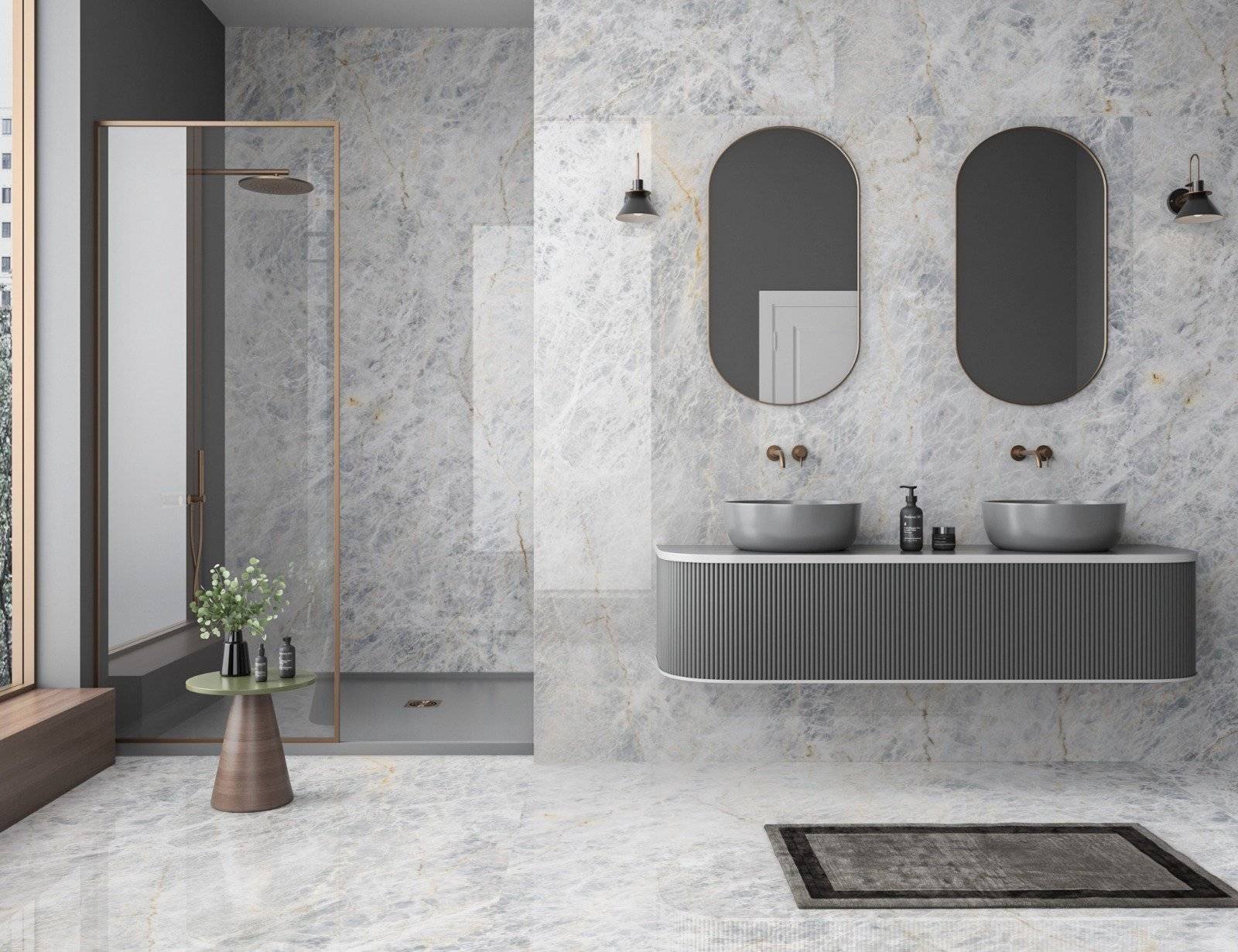
How to Pick the Right Tile Material for High-Moisture Areas
High-moisture spaces demand smart design choices. Bathrooms, kitchens, laundry rooms, balconies, and poolside areas are constantly exposed to water, steam, and humidity. Choosing the right tile material for high-moisture areas is not just about aesthetics — it’s about durability, safety, and long-term performance.
At Eddica Ceramic, we understand how important it is to select tiles that combine beauty with resilience. In this comprehensive guide, we’ll help you understand how to pick the best tile material for high-moisture areas, what factors to consider, and which materials perform best.
Why Choosing the Right Tile Material for High-Moisture Areas Matters
Moisture can cause significant damage if surfaces are not properly protected. The wrong tile choice may lead to:
-
Water absorption and swelling
-
Mold and mildew growth
-
Cracks and stains
-
Slippery surfaces
-
Expensive repairs
That’s why selecting the right tile material for high-moisture areas is essential for both residential and commercial spaces.
High humidity and direct water exposure require tiles with low porosity, strong surface durability, and slip resistance. Let’s explore how to make the right decision.
Key Factors to Consider When Choosing Tile Material
Before selecting the right tile material for high-moisture areas, consider these critical factors:
1. Water Absorption Rate
Tiles are classified by how much water they absorb. The lower the absorption rate, the better they perform in wet environments.
-
Non-vitreous tiles: High absorption (not ideal for wet areas)
-
Semi-vitreous tiles: Moderate absorption
-
Vitreous tiles: Low absorption
-
Impervious tiles: Very low absorption (best for wet areas)
For bathrooms, showers, and outdoor wet spaces, always choose impervious or vitreous tiles.
2. Slip Resistance
Safety is crucial in high-moisture areas. Look for tiles with:
-
Textured surfaces
-
Matte finishes
-
High slip-resistance ratings (R10 or higher for wet floors)
Slip-resistant surfaces ensure your space remains safe even when wet.
3. Durability & Strength
High-moisture areas often experience temperature changes and heavy usage. The right tile material for high-moisture areas should:
-
Resist cracking
-
Withstand thermal shock
-
Handle foot traffic
-
Resist stains and chemicals
4. Maintenance Requirements
Some tiles require sealing and regular maintenance. Others are nearly maintenance-free. For convenience, choose tiles that:
-
Resist mold growth
-
Require minimal sealing
-
Are easy to clean
Best Tile Materials for High-Moisture Areas
Now let’s explore the most suitable materials available at Eddica Ceramic.
1. Porcelain Tiles – The Ultimate Moisture-Resistant Choice
Porcelain is widely considered the right tile material for high-moisture areas due to its extremely low water absorption rate (less than 0.5%).
Why Porcelain Works So Well:
-
Highly water-resistant
-
Dense and durable
-
Scratch and stain resistant
-
Available in matte, glossy, and textured finishes
-
Suitable for floors and walls
Porcelain tiles are ideal for:
-
Bathrooms
-
Shower walls
-
Kitchen floors
-
Laundry rooms
-
Outdoor patios
At Eddica Ceramic, porcelain collections are designed for long-term durability and elegance, making them a top recommendation for wet environments.
2. Ceramic Tiles – Budget-Friendly and Reliable
Ceramic tiles are another popular option when selecting the right tile material for high-moisture areas.
Benefits of Ceramic Tiles:
-
Affordable
-
Easy to install
-
Wide variety of designs
-
Suitable for walls and light-traffic floors
However, ceramic tiles are slightly more porous than porcelain. They are excellent for:
-
Bathroom walls
-
Kitchen backsplashes
-
Powder rooms
For heavy water exposure areas like shower floors, porcelain is usually the better choice.
3. Natural Stone Tiles – Elegant but Require Maintenance
Natural stone tiles such as marble, granite, and travertine offer unmatched beauty. However, when choosing the right tile material for high-moisture areas, maintenance is key.
Pros:
-
Luxurious appearance
-
Unique natural patterns
-
Increases property value
Cons:
-
Porous (requires sealing)
-
Higher maintenance
-
Can stain if not sealed properly
If properly sealed and maintained, natural stone can perform well in bathrooms and spa-like spaces.
4. Mosaic Tiles – Perfect for Shower Floors
Mosaic tiles are small tiles arranged in patterns. They are often made from porcelain, ceramic, or glass.
Why They’re Great for Wet Areas:
-
More grout lines = better grip
-
Flexible for curved surfaces
-
Stylish and decorative
They are excellent for:
-
Shower floors
-
Accent walls
-
Pool areas
When selecting mosaic tiles, ensure the base material supports use in high-moisture environments.
Common Mistakes to Avoid
When choosing the right tile material for high-moisture areas, avoid these mistakes:
-
Selecting glossy tiles for floors (can be slippery)
-
Ignoring water absorption ratings
-
Skipping sealing for natural stone
-
Choosing aesthetics over functionality
-
Not considering grout quality
High-quality grout and professional installation are equally important for moisture protection.
Why Eddica Ceramic is the Right Choice
At Eddica Ceramic, we specialize in premium-quality tiles engineered for performance in high-moisture environments. Our collections offer:
-
Advanced moisture resistance
-
Anti-slip surface options
-
Modern textures and finishes
-
Long-lasting durability
-
Easy maintenance
We help homeowners, architects, and designers confidently select the right tile material for high-moisture areas without compromising on style.
Expert Tips for Long-Term Performance
To maximize the lifespan of your tiles:
-
Ensure proper waterproofing beneath tiles.
-
Use high-quality grout and sealants.
-
Clean regularly to prevent mold buildup.
-
Choose textured surfaces for flooring.
-
Consult experts before installation.
Making the right choice today saves money and maintenance headaches tomorrow.
Final Thoughts
Selecting the right tile material for high-moisture areas is one of the most important decisions in any renovation or construction project. Moisture resistance, durability, slip safety, and maintenance requirements should guide your selection.
Porcelain remains the top performer for wet environments, while ceramic works well for walls and lighter applications. Natural stone offers elegance but requires care, and mosaic tiles provide extra grip and design flexibility.
At Eddica Ceramic, we combine innovation, durability, and style to deliver tiles that stand up to moisture while elevating your space. Whether you’re renovating a bathroom, designing a luxury spa, or upgrading a kitchen, choosing the right tile material for high-moisture areas ensures beauty that lasts for years.