
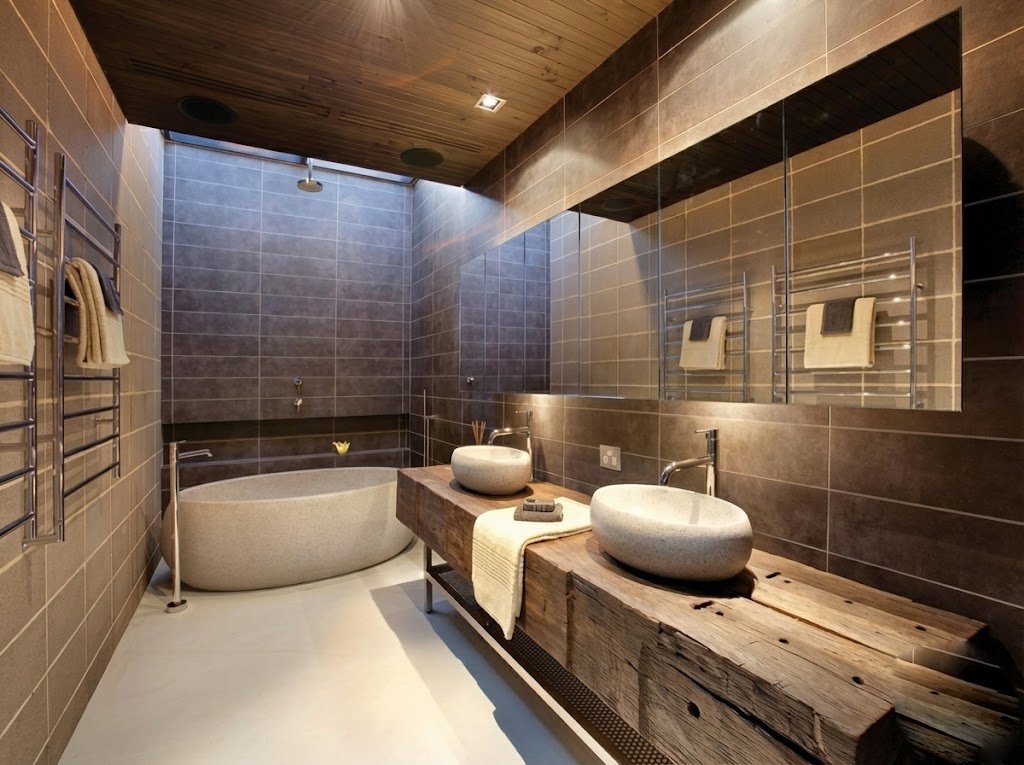
How to Mix and Match Tile Textures Like a Professional Designer
Designing with tiles is no longer about choosing a single pattern and sticking to it. Today’s most stunning interiors use a thoughtful mix of tile textures, finishes, and formats to create depth, personality, and visual balance. If you’ve ever admired a designer space and wondered how it feels cohesive instead of chaotic, this guide is for you.
At Eddica Ceramics, we believe great tile design blends creativity with smart planning. Here’s how to mix and match tile textures like a professional designer—and achieve a polished, high-end look in any space.
1. Start With a Clear Design Vision
Before selecting tiles, define the mood you want to create:
-
Modern & minimal – smooth surfaces, matte finishes, subtle textures
-
Warm & rustic – stone-look, wood-look, handcrafted textures
-
Bold & artistic – patterned tiles mixed with neutral backgrounds
Having a clear direction helps ensure your tile combinations feel intentional rather than random.
2. Balance Smooth and Textured Surfaces
Professional designers often pair smooth tiles with textured ones to create contrast without overwhelming the space.
Examples:
-
Glossy wall tiles + matte floor tiles
-
Textured feature wall + smooth surrounding tiles
-
Polished tiles paired with subtle 3D patterns
This balance adds depth while keeping the design clean and elegant.
3. Stick to a Consistent Color Palette
When mixing different tile textures, color harmony is key. Choose 2–3 core colors and vary the textures within that palette.
Designer tip:
Different textures in the same color family create richness without visual clutter.
At Eddica Ceramics, our collections are curated to make texture layering easy while maintaining color consistency.
4. Use Statement Tiles as Accents
Let one tile texture be the hero, and keep the rest understated.
Where statement tiles work best:
-
Kitchen backsplashes
-
Bathroom shower walls
-
Living room or lobby feature walls
Pair bold or patterned tiles with simple, neutral tiles to avoid overpowering the space.
5. Mix Tile Sizes and Formats Thoughtfully
Professional spaces often combine:
-
Large-format tiles for open areas
-
Smaller or mosaic tiles for details and transitions
For example, large floor tiles with smaller textured shower tiles create visual interest while clearly defining zones.
6. Consider Light and Space
Texture interacts strongly with lighting:
-
Glossy tiles reflect light and make rooms feel larger
-
Matte or rough textures absorb light, adding warmth and softness
In small rooms, limit heavy textures to accent areas. In larger spaces, you can layer textures more freely for dramatic effect.
7. Repeat Textures for a Cohesive Look
Designers repeat textures across a space to create flow. For example:
-
A textured tile used on a backsplash echoed in a niche
-
The same finish on floors and walls in different tile sizes
This repetition ties the design together beautifully.
Why Choose Eddica Ceramics for Your Tile Designs?
At Eddica Ceramics, we offer premium ceramic tile collections designed for modern homes and commercial spaces. Our tiles are crafted to:
-
Mix effortlessly across textures and finishes
-
Maintain color consistency
-
Deliver durability with designer aesthetics
Whether you’re designing a kitchen, bathroom, or full interior, Eddica Ceramics helps you achieve a professional, cohesive look.
Final Thoughts
Mixing and matching tile textures is an art—but with the right approach, anyone can do it like a pro. Focus on balance, color harmony, and purposeful contrast, and your space will feel both stylish and timeless.